
Romy Cutler, ASW
Associate Clinical Social Worker in Los Angeles
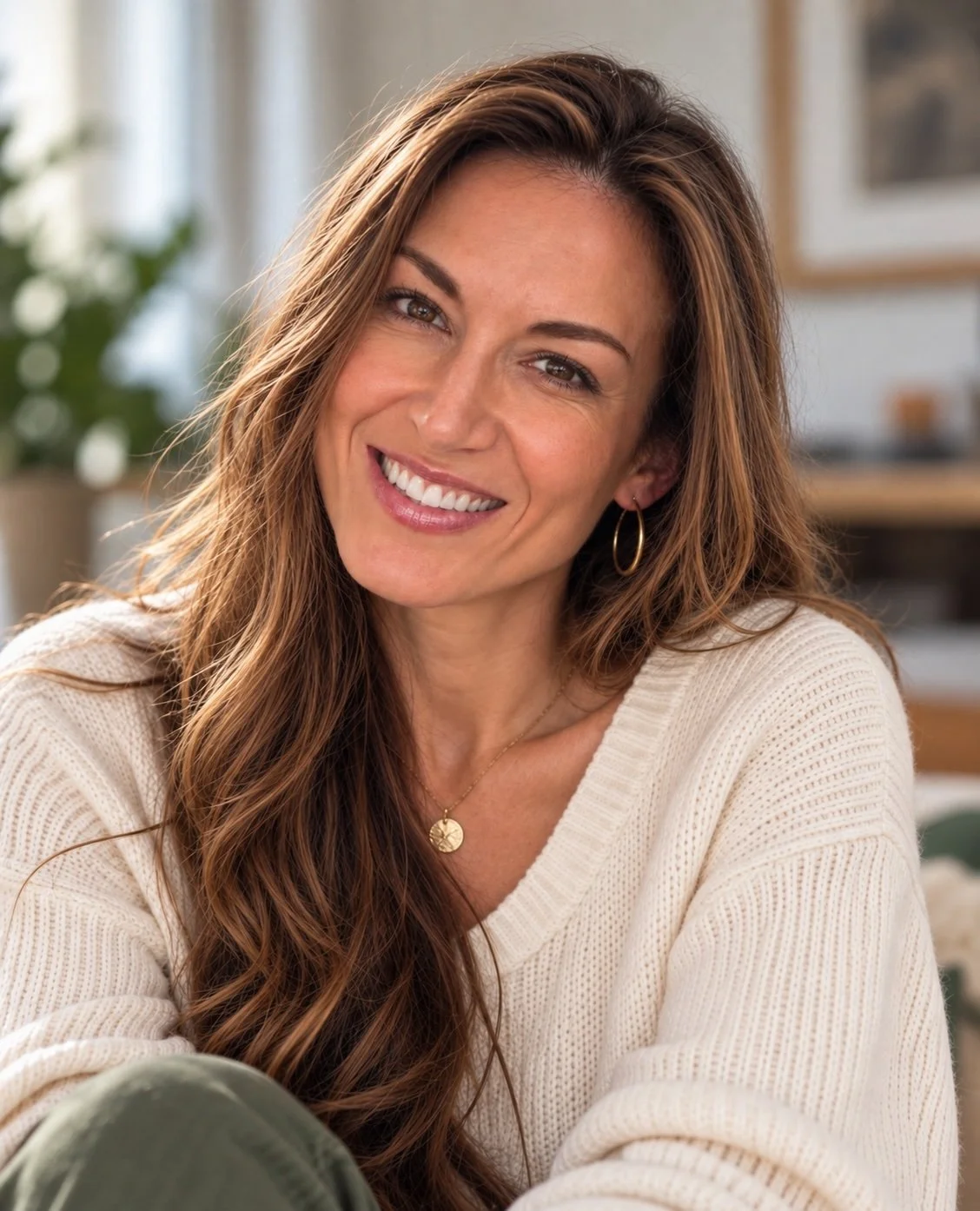
What might it look like to feel more at home in yourself?
I’m Romy, an Associate Clinical Social Worker at Nicole Flynn Psychotherapy in Los Angeles. I work with adolescents, adults, couples, and caregivers navigating trauma and PTSD, difficult family or relationship dynamics, anxiety, and depression. I also support people moving through grief and life transitions, with a particular interest in ADHD, neurodivergence, and the experiences of artists and creatives.
You may have a sense that something needs to change without knowing quite how to explain it. I’m interested in helping you understand what you’re experiencing and hear your own voice more clearly, especially if you’ve spent a long time questioning it.

When the life you imagined starts to look different
Sometimes the expectations that once gave you direction stop making sense. A relationship ends, a career shifts, or the life you worked hard for doesn’t feel the way you thought it would. For others, the difficulties have been there much longer. Experiences from childhood or difficult relationships may still affect how safe you feel with people or what you believe about yourself.
You might be holding everything together while feeling overwhelmed, or exhausted by expectations that leave little room for how you actually think and feel. Together, we can look at the ways you’ve learned to cope and what those responses have been trying to protect, including when they’re now creating difficulties of their own.
My hope is that you feel more able to make choices that belong to you. That might mean recognizing a need before dismissing it, responding to yourself with less criticism, or allowing yourself to want something without immediately questioning whether you should.
How we might work together
My approach is relational, trauma-informed, and often somatic or experiential. That means we’ll pay attention to what happens as we talk, including what you notice in your body and how it feels to share something with another person.
When words aren’t getting us very far, we can try another way in. We might explore a physical sensation, use a creative exercise, or practice a conversation you’ve been reluctant to have. I draw from mindfulness, narrative therapy, IFS-informed parts work, and expressive arts. We’ll talk about what interests you and what feels useful; you don’t need to think of yourself as creative to work this way.
I also pay attention to when we need to slow down. Sometimes an observation is enough, and we can sit with it before deciding what comes next. At other times, you may feel ready to try something unfamiliar with support.
Trust takes time, and I respect the reasons you might be hesitant. I want you to be able to tell me when I’ve misunderstood you or when you need something different. If I get something wrong, I’m willing to hear it and take responsibility. Our relationship needs room for honesty on both sides.


A background in creativity and a commitment to understanding people
Before becoming a therapist, I worked as a creative professional. My background in acting and theater, including mask work and Commedia dell’Arte, continues to shape how I think about expression and the roles we take on. I’m curious about what becomes possible when we have room to step outside a familiar role or tell a story differently.
That experience informs my work with artists and creatives, including the uncertainty of building a creative life and the questions that arise when a long-held dream changes. I also bring that curiosity to working with neurodivergence: how your mind works, what supports you, and where you’ve been asked to adapt in ways that have cost you something.
My training in social work also shapes the questions I ask. Your experiences happen within a family, a culture, and a wider world. I want to understand how those contexts have affected you, including experiences of power or exclusion, and stay aware of what I bring into the room myself.
I earned my Master of Social Work from California State University, Long Beach. As an associate therapist at Nicole Flynn Psychotherapy, I receive ongoing supervision and clinical consultation while continuing to develop my practice.
Credentials & Education
Licensure & EducationAssociate Clinical Social Worker (ASW) #141709 — California Board of Behavioral Sciences
Master of Social Work (MSW) — California State University, Long Beach
Bachelor of Arts in Sociology, Minor in Applied Psychology in Education — University of California, Santa Barbara
Advanced Clinical Training & Areas of StudySomatic Trauma Healing Practitioner Intensive — The Embody Lab, with training in somatic trauma treatment, parts work, attachment, dissociation, developmental trauma, relational trauma, and EMDR-informed interventions
Mindfulness-Based Cognitive Therapy (MBCT)
Drama Therapy & Expressive Arts
Council Facilitation & Experiential Group Process
IFS-Informed Parts Work
Motivational Interviewing & Stages of Change
Suicide Prevention, Screening & Assessment
Crisis Prevention & De-escalation
You can begin with questions
I want you to have room to ask for what you need and to notice whether our work feels helpful to you.
If something here resonates, reach out to the practice and let us know you’re interested in working with me. We’ll talk about what you’re looking for and help you explore whether we might be a good fit.