

Trauma therapy with care for the whole of your experience
We’re a Los Angeles psychotherapy practice specializing in trauma, including complex PTSD and the lasting effects of abuse and violence.
Trauma is the focus of our practice and our ongoing clinical training.
We’re interested in understanding how your experiences affect you today, including the parts that feel confusing or difficult to explain. You may have words for what happened to you. You may still be trying to make sense of it. We can start there.
The people behind the care
Nicole Flynn, LCSW, brought this team together to work alongside therapists who share her dedication to trauma treatment. Each clinician brings their own experience and way of connecting with people. We share a respect for what it takes to do this work well, and a commitment to keep learning.
That learning happens together. Our associate therapists receive regular supervision and clinical consultation, with support for ongoing training. We make time to think through the work, ask questions, and consider another perspective when something feels complex or stuck.

Nicole Flynn, LCSW
Nicole works with adults navigating complex trauma, childhood abuse, and dissociative disorders. Her approach combines EMDR, somatic therapy, and parts work with a warm, engaged style and respect for the ways each person has learned to survive.
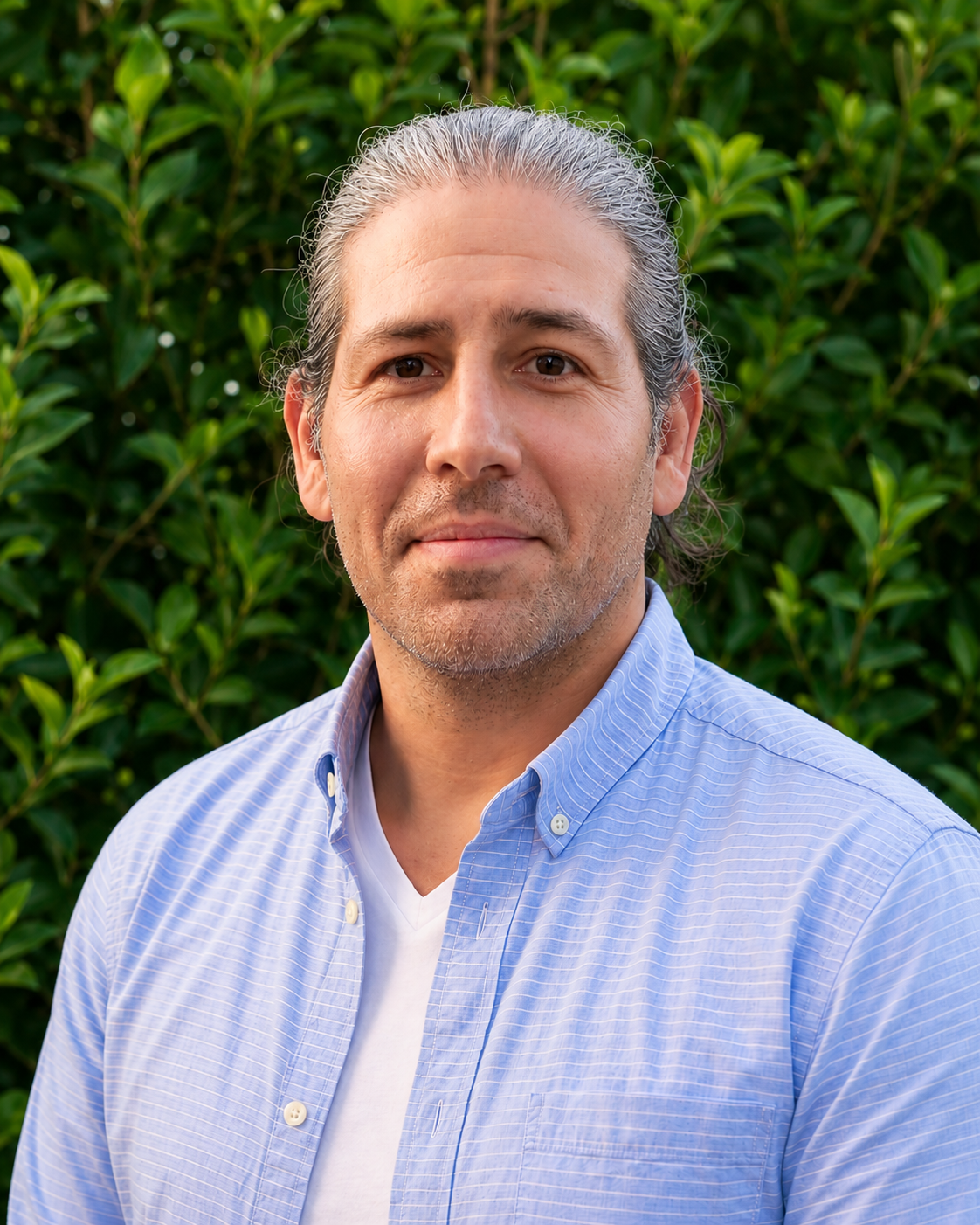
Josh Beren, AMFT
Josh works with teens, adults, couples, and families navigating trauma and loss. EMDR-trained and grounded in compassionate curiosity, he balances honest conversation with practical support, helping clients understand what they’ve been through and explore what could be different.

Romy Cutler, ASW
Romy supports people navigating trauma, grief, and life transitions, with particular interests in ADHD, neurodivergence, and creative lives. Her background in storytelling brings an expression and a collaborative approach that helps clients feel more at home in themselves.

You don’t have to begin by talking about the worst things that have happened to you. You also don’t need to arrive with a clear timeline or be ready to share everything.
We often spend time helping you understand your responses and find ways to feel more grounded before approaching painful memories. Your therapist will talk with you about what they’re recommending and why. There’s room to ask questions, slow down, or say that something isn’t helping.
We take trust seriously, knowing that it takes time to develop through what happens between you and your therapist–including how they respond when you’re unsure or when something feels difficult.
You have a say in how we work together


A strong clinical foundation, with room to be human
Evidence-based treatment gives us a strong foundation. How we use it depends on the person sitting across from us. You may understand why you respond a certain way and still feel unable to change it. You might want closeness but find yourself pulling away when someone offers it. Something that once helped you feel safe may now be making your world smaller.
We approach these responses with curiosity rather than judgment. Often, the ways people learned to protect themselves made sense in the circumstances they were living through. Understanding those adaptations can help us explore what is still needed and what may be ready to change.
Across our team, we draw from approaches including EMDR, somatic therapy, parts work, and expressive arts. Sometimes that means noticing what happens in your body as you speak, exploring conflicting feelings, or finding ways to express experiences that are difficult to put into words.
Our work is not simply about understanding what happened. It's also about helping you experience something different in your relationship with yourself and others.
There's more than one way to understand a life
We value research and clinical knowledge while recognizing that no single framework can fully capture a person's experience.
Your culture, community, relationships, and personal beliefs may shape how you understand what you've lived through and what healing means to you. We want to make room for those perspectives rather than assume that one approach will fit everyone.
Good therapy, to us, brings clinical knowledge together with genuine curiosity about the person in front of us. We bring structure, experience, and thoughtful guidance while remaining open to what you know about yourself and what we might discover together.

Let's find the right person for you
Finding a therapist is about more than matching a diagnosis with a treatment approach. The relationship matters, too. We'll consider what you're experiencing and what you'd like to work on, along with each therapist's clinical experience, personality, and way of working.
You can reach out with questions or share a little about what you're looking for. You don't need to tell us your full story to take that first step.